

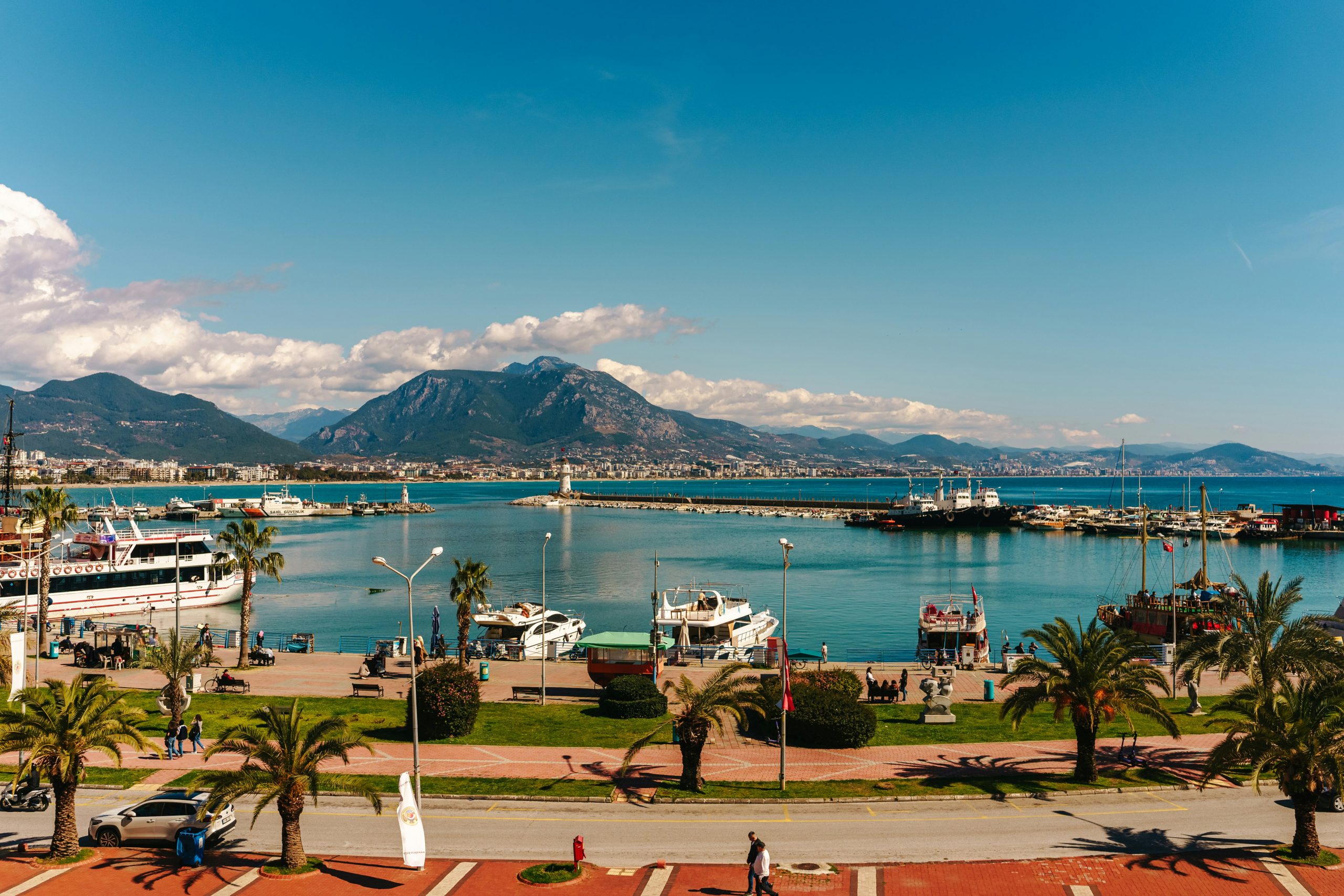
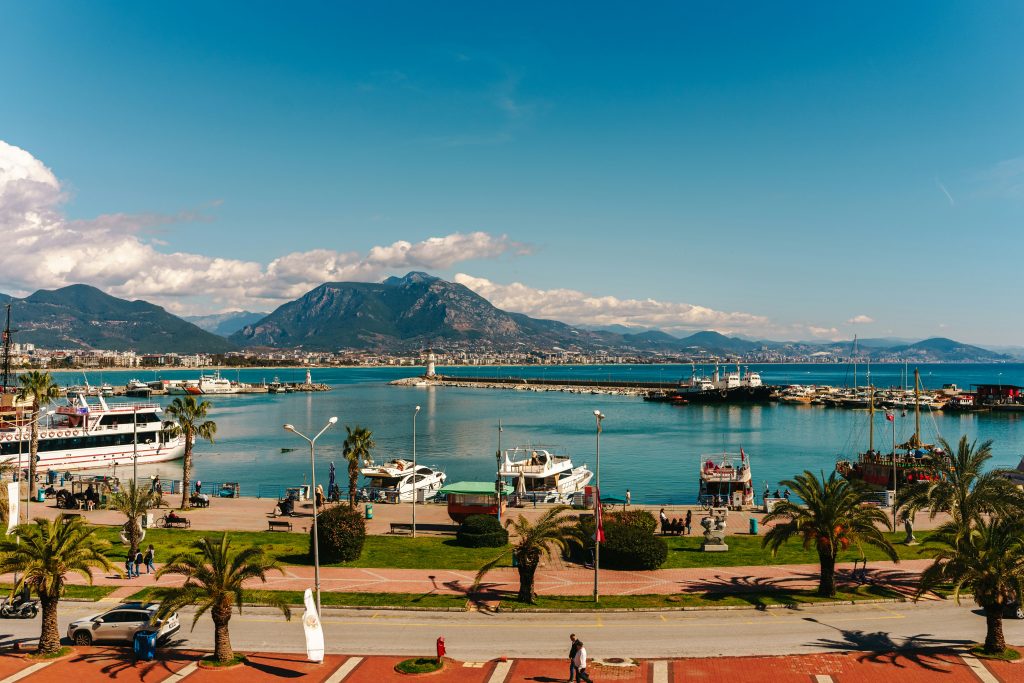
The first morning feels different when you wake up in Alanya as a resident instead of a tourist. The harbor looks the same. Fishing boats still drift beside excursion yachts, and the smell of strong Turkish coffee still moves through the streets before sunrise. Yet something changes internally. You stop wondering where to spend your holiday and start thinking about grocery stores, internet contracts, residency appointments, and whether this Mediterranean city can genuinely become home.
That emotional shift defines the experience of moving to Alanya. Many foreigners arrive expecting endless beaches and lower living costs. What they discover instead is a city where daily life becomes surprisingly manageable once the initial bureaucracy settles down. The process is rarely perfect. Papers go missing. Translation offices close unexpectedly. Residency systems change with little warning. Still, thousands of Europeans and international buyers continue choosing Alanya because the rewards often outweigh the frustrations.
Why Foreigners Choose Alanya Over Other Turkish Cities
By late afternoon, the promenade in Mahmutlar fills with several languages at once. German retirees walk beside Russian-speaking families. Scandinavian couples stop for tea after swimming. British residents debate football scores outside cafes near the beach.
Alanya attracts foreigners differently than Istanbul or Antalya. Istanbul overwhelms some newcomers with its pace and scale. Antalya feels more metropolitan and expensive every year. Alanya sits somewhere in the middle. It remains active enough to feel connected to the modern world while still small enough to become familiar quickly.
Climate matters more than people expect. Winters stay mild, and daily life continues outdoors long after Northern Europe disappears into darkness. The cost of living also shapes decisions. Many residents discover they can maintain a more comfortable lifestyle in Turkey than they could afford back home.
Another factor rarely discussed openly is emotional practicality. Living in Alanya as a foreigner often feels less intimidating because the city already contains large international communities. Real estate agents, clinics, restaurants, and government offices are accustomed to dealing with foreigners every day.
Tourist Visa or Residency Permit?
At the immigration office, the waiting room usually tells the whole story. Some people arrive carrying folders thick with translated documents. Others hold only passports and hopeful expressions. Nearly everyone looks uncertain during their first application.
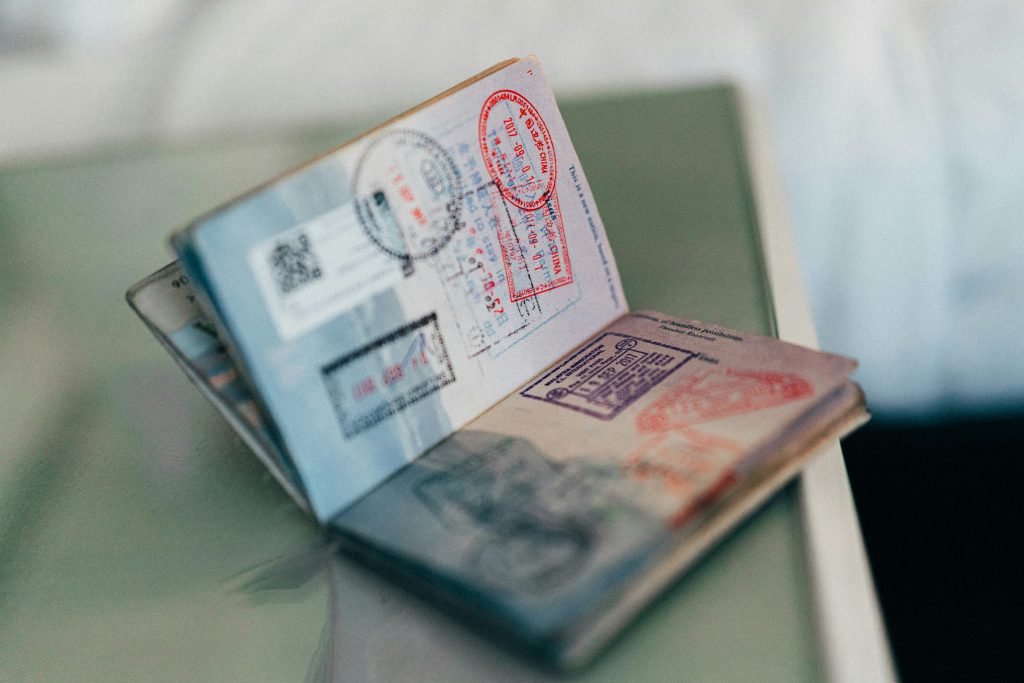
Many foreigners initially enter Turkey on standard tourist visas or visa exemptions. That arrangement works for short stays, but anyone planning longer periods usually needs an Alanya residency permit. The most common option remains the short-term residency permit tied to either a rental agreement or property ownership.
Rules shift regularly under Turkish residency 2025 policies, which is why newcomers quickly learn not to rely entirely on outdated online advice. Requirements can change within months. Some nationalities face additional scrutiny. Certain districts occasionally restrict new residency applications because foreign population limits have been reached.
The process itself feels less frightening once you complete it once. Most applicants eventually realize the system rewards patience more than perfection.
Applying for Residency Step by Step
The residency journey often starts inside a small notary office where someone stamps rental contracts while phones ring constantly in the background. Foreigners usually arrive carrying photocopies they may never actually need.
Applications begin online through the immigration system, where applicants select appointment dates and upload basic information. Afterward comes the practical marathon. Tax numbers must be obtained. Health insurance policies arranged. Biometric photos printed in exact dimensions. Bank receipts collected carefully because missing paperwork can trigger delays.
Appointment day feels strangely anticlimactic after all the preparation. Some interviews last ten minutes. Others stretch much longer if documents appear incomplete. Officials generally remain professional, though not always warm.
The waiting period afterward tests people emotionally more than the paperwork itself. Residency cards sometimes arrive quickly. Other times they disappear into administrative limbo for weeks. Experienced expatriates learn to treat delays as part of the rhythm rather than a catastrophe.
Banking and Managing Money in Turkey
Inside Turkish banks, daily life slows down dramatically. Customers drink tea while employees disappear behind office doors carrying stacks of paperwork. Patience becomes a practical skill instead of a personality trait.
Opening a bank account usually requires a tax number, passport, and proof of address. Some banks welcome foreigners enthusiastically, while others appear uncertain about handling international clients. Experiences vary enormously between branches.
Currency fluctuations shape financial decisions constantly. Many expatriates keep savings partly in euros or dollars while using Turkish lira for daily spending. Utility bills, grocery shopping, and local services remain relatively affordable, but imported products can become expensive quickly during periods of inflation.
Online banking has improved significantly in recent years. Once accounts are functioning properly, paying bills and transferring money becomes straightforward. The frustrating part usually involves the first few weeks rather than long-term management.
Renting First or Buying Immediately?
Walk through Alanya during property viewing season and you will notice the same scene repeatedly. Foreign buyers stand on balconies staring toward the sea while trying to imagine whether they should commit immediately or wait.
Renting first offers emotional safety. New arrivals gain time to understand neighborhoods, transportation patterns, and seasonal differences before making large investments. Some districts feel lively during summer but almost silent during winter.
Buying, however, often becomes financially logical for people committed to staying several years. Rent prices have increased noticeably as demand from foreigners continues rising. Many residents eventually calculate that mortgage payments or direct purchases compare favorably against long-term renting costs.
The buy property Alanya Turkey market especially appeals to Europeans searching for modern apartments with amenities that would cost dramatically more elsewhere along the Mediterranean coast. Pools, fitness centers, generators, and security systems have become standard in many developments rather than luxury extras.
Building Daily Life and Community
The real transition happens quietly one ordinary Tuesday when the bakery owner remembers your order before you speak. Suddenly Alanya stops feeling temporary.
Building routines takes time. Language barriers frustrate newcomers initially, although many local businesses employ English, German, or Russian speakers. Learning even basic Turkish dramatically improves daily interactions and earns visible goodwill from locals.
Healthcare surprises many foreigners positively. Private clinics remain accessible and affordable compared to much of Europe. Schools serving international families have expanded as expatriate populations continue growing.
Social life forms naturally around routines instead of organized networking. Beach walks, local cafes, gym memberships, and neighborhood markets gradually create familiarity. Expat life Alanya often feels less isolated than newcomers fear because foreign residents continuously arrive searching for the same sense of connection.
The Parts Nobody Warns You About
One rainy afternoon can suddenly expose every weakness in your relocation plan. Internet installers fail to arrive. Residency updates change without warning. Translation offices disagree about required paperwork. These moments happen more often than glossy relocation videos admit.
Turkish bureaucracy sometimes feels deeply inconsistent. Different officials occasionally provide different answers to identical questions. Processes that appear simple online may require multiple visits in person.
Cultural differences also surface unexpectedly. Service timing moves differently. Verbal agreements carry less certainty than many Europeans expect. Some newcomers struggle with negotiation culture or indirect communication styles.
Yet perspective matters here. Most long-term residents eventually describe these frustrations as temporary growing pains rather than permanent obstacles. The adjustment period simply demands flexibility and humor.
Finding Stability Through Ownership
Toward evening in Mahmutlar, apartment lights begin appearing one balcony at a time while residents return from the beach carrying groceries and fresh bread. That sense of routine matters enormously after relocation. Stability becomes more valuable than excitement.
For many newcomers, ownership eventually represents that stability. BSR Construction has focused carefully on what foreign residents actually need from a home rather than simply what photographs well online. The company’s Vista and Vista II projects in Mahmutlar place residents close to daily essentials while providing the modern infrastructure many foreigners worry about when arriving in Turkey for the first time.
A reliable apartment removes layers of uncertainty from the relocation process. Landlords cannot suddenly raise rent or refuse contract renewals. Furnishing choices become long-term investments instead of temporary compromises. Buyers gain a genuine base for building ordinary life.
That is why many people researching immigrating to Alanya eventually shift from browsing rentals toward ownership discussions. The transition happens gradually, usually after they realize the city no longer feels temporary. Readers considering moving to Alanya can explore Vista, Vista II, and the surrounding Mahmutlar community through bsrconstruction.co.
Many residents wish they had started the process sooner than expected.


